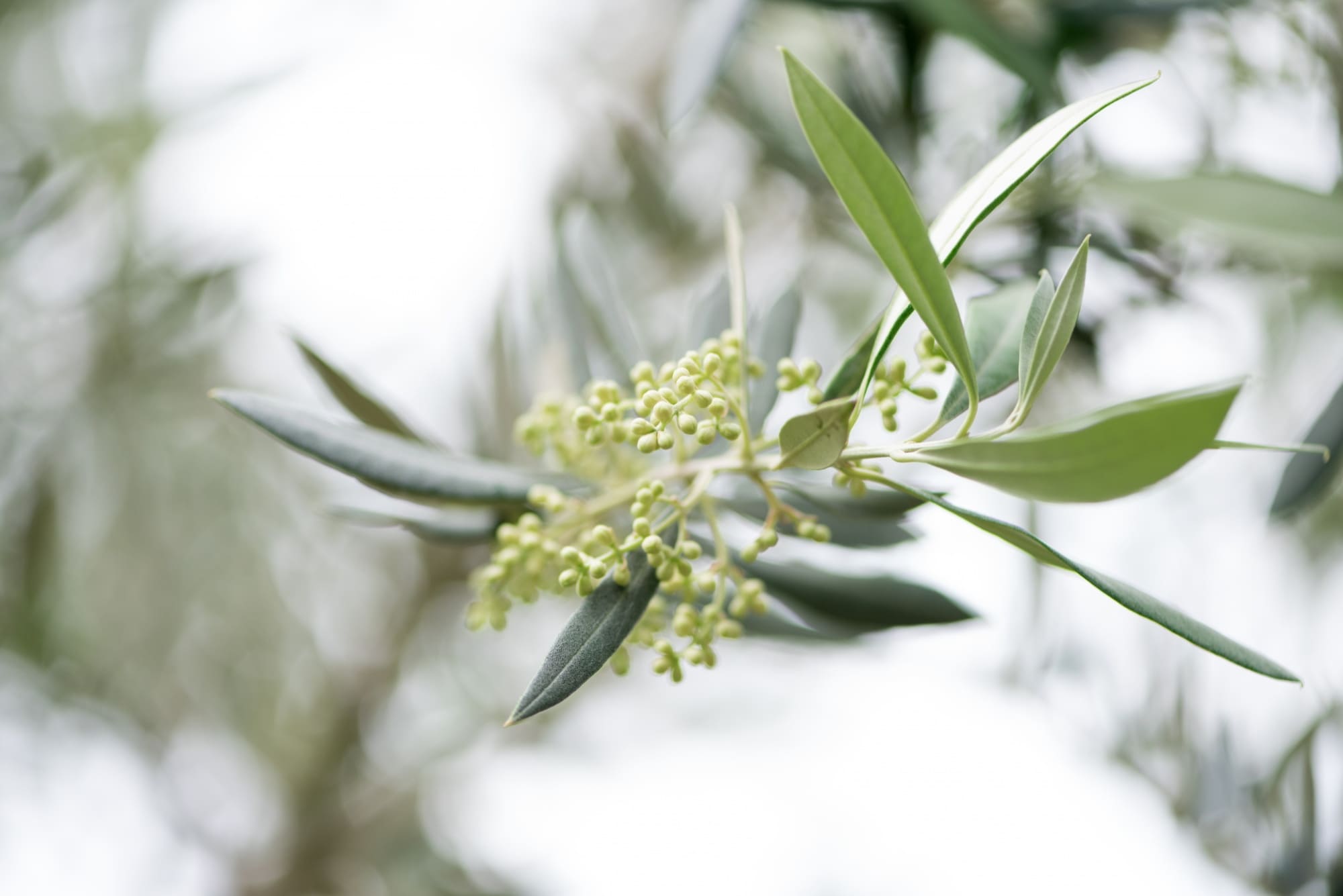
When spring arrives, the olive grove enters one of the most important phases of its natural cycle. After the vegetative rest of winter, olive trees begin to reactivate and prepare for a new season.
It is during these months that olive tree flowering takes place, a key moment that will determine the quantity and quality of the olives that will develop throughout the year.
Although for many consumers the olive cycle begins with harvesting in autumn, the truth is that the process starts much earlier. In spring, the olive grove is full of activity: the trees sprout, the first flowers appear, and farmers intensify crop care.
For companies with a long tradition in the sector, such as Aceitunas Torrent, understanding and respecting these natural cycles is essential to guarantee the excellence of the final product.
OLIVE TREE FLOWERING: HOW THE FUTURE FRUIT IS FORMED
Olive tree flowering usually takes place between late April and early June, depending on the climate, the variety, and the region.
During this stage, the so-called inflorescences appear, small clusters of white flowers that grow on the branches of the olive tree.
However, not all these flowers will become olives. In fact, the olive tree produces a large number of flowers, but only a small proportion will develop into fruit. This natural process is known as fruit set.
For flowering to be successful, several favorable conditions must occur:
- Mild and stable temperatures
- Absence of late frosts
- Good water availability
- Correct nutritional balance of the tree
- Adequate pollination conditions
The wind plays an essential role in this process, as it is the main pollination agent of the olive tree
WHAT HAPPENS IN THE FIELD DURING SPRING
While the olive tree blooms, farmers work intensively to accompany this crucial moment of the crop.
Spring is a stage of monitoring, observation, and technical management of the olive grove.
Among the most important tasks are:
Monitoring the condition of the tree
Technicians and farmers analyze the vegetative development of the olive tree, evaluating factors such as:
- Vigor of the branches
- Appearance of new shoots
- Quantity and quality of flowers
- Possible signs of stress or diseases
This observation allows anticipating agronomic decisions that directly influence the future harvest.
Irrigation management
In olive groves that have irrigation systems, spring is a key moment to adjust water supply.
The objective is to maintain the tree’s water balance without causing excessive growth that could affect production.
Proper irrigation helps improve flower set and strengthens the initial development of the fruit.
Nutrition of the olive grove
During spring, the olive tree needs certain nutrients to sustain flowering and the subsequent development of the olive.
Fertilization programs usually focus on:
- Nitrogen for vegetative growth
- Potassium for fruit development
- Micronutrients such as boron, key in flowering
Fertilization is always carried out with efficiency and sustainability criteria.
THE OLIVE GROVE AS AN ECOSYSTEM: BIODIVERSITY IN SPRING
Spring also reveals one of the great values of the olive grove: its role as an agricultural ecosystem full of biodiversity.
When the countryside awakens, the olive grove becomes a space where multiple species coexist:
- Pollinating insects
- Insectivorous birds
- Wild flora
- Beneficial soil microorganisms
These elements help maintain the natural balance of the crop and reduce the need for external interventions.
Plant cover and sustainable agriculture
More and more farms incorporate plant covers between rows of olive trees
These covers perform very important functions:
- Reduce soil erosion
- Improve water infiltration
- Increase biodiversity
- Promote carbon capture
- Help maintain soil fertility
Sustainable management of the olive grove is today one of the major commitments of the agri-food sector.
THE IMPORTANCE OF SPRING FOR OLIVE QUALITY
Flowering is much more than an aesthetic phenomenon in the olive grove.
It determines:
- The quantity of olives that will develop
- The potential size of the fruit
- The balance of the tree for the next season
A year with good flowering usually anticipates a balanced and high-quality harvest.
That is why caring for the olive grove during spring is a direct investment in the final product.
TRADITION, KNOWLEDGE AND THE FUTURE OF THE OLIVE GROVE
Olive cultivation has been part of the Mediterranean landscape and culture for thousands of years. However, today traditional knowledge coexists with increasingly advanced agricultural techniques.
Companies such as Aceitunas Torrent, with more than 125 years of experience, combine experience, innovation, and respect for the environment to ensure that each olive preserves the character and quality demanded by the international market.
From olive tree flowering in spring to harvesting in autumn, each phase of the cycle is an essential piece of a process that brings together nature, agriculture, and gastronomy.
Spring is a silent but decisive stage in the olive tree cycle. It is the moment when the tree blooms, the countryside fills with life, and the future harvest begins to take shape.
Understanding how olive tree flowering works, how olive cultivation is cared for, and how the balance of the olive grove is protected allows us to value even more the work behind each olive.
Because before reaching the table, the olive’s journey begins in the field, among white flowers that announce a new season.
FAQS ABOUT OLIVE TREE FLOWERING
¿Cuándo florece el olivo?
La floración del olivo suele producirse entre abril y junio, dependiendo del clima y la variedad.
¿Qué porcentaje de flores se convierten en aceitunas?
Solo una pequeña parte de las flores del olivo llega a convertirse en fruto, normalmente entre el 1% y el 5%.
¿Qué factores afectan a la floración del olivo?
Las temperaturas, la disponibilidad de agua, el estado nutricional del árbol y las condiciones de polinización influyen en la floración.
¿Por qué es importante la primavera en el cultivo del olivo?
Porque durante esta etapa se produce la floración y el cuajado del fruto, que determinarán la cantidad y calidad de la cosecha.